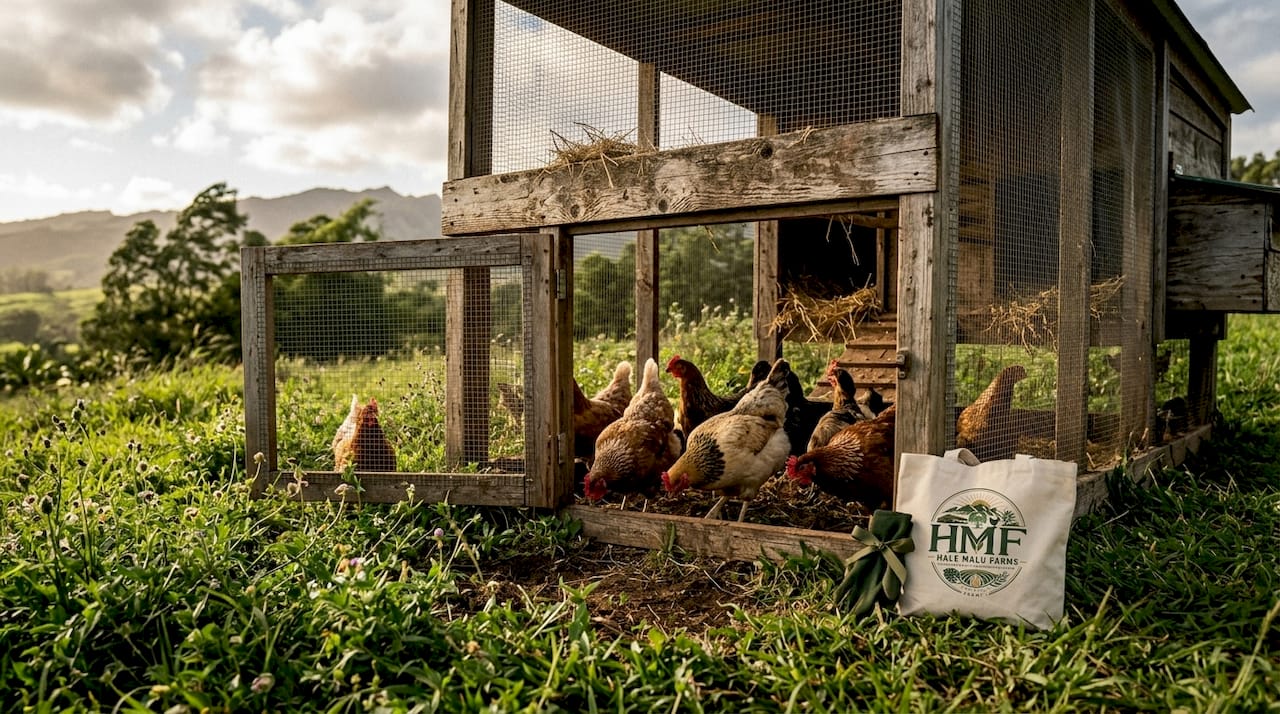
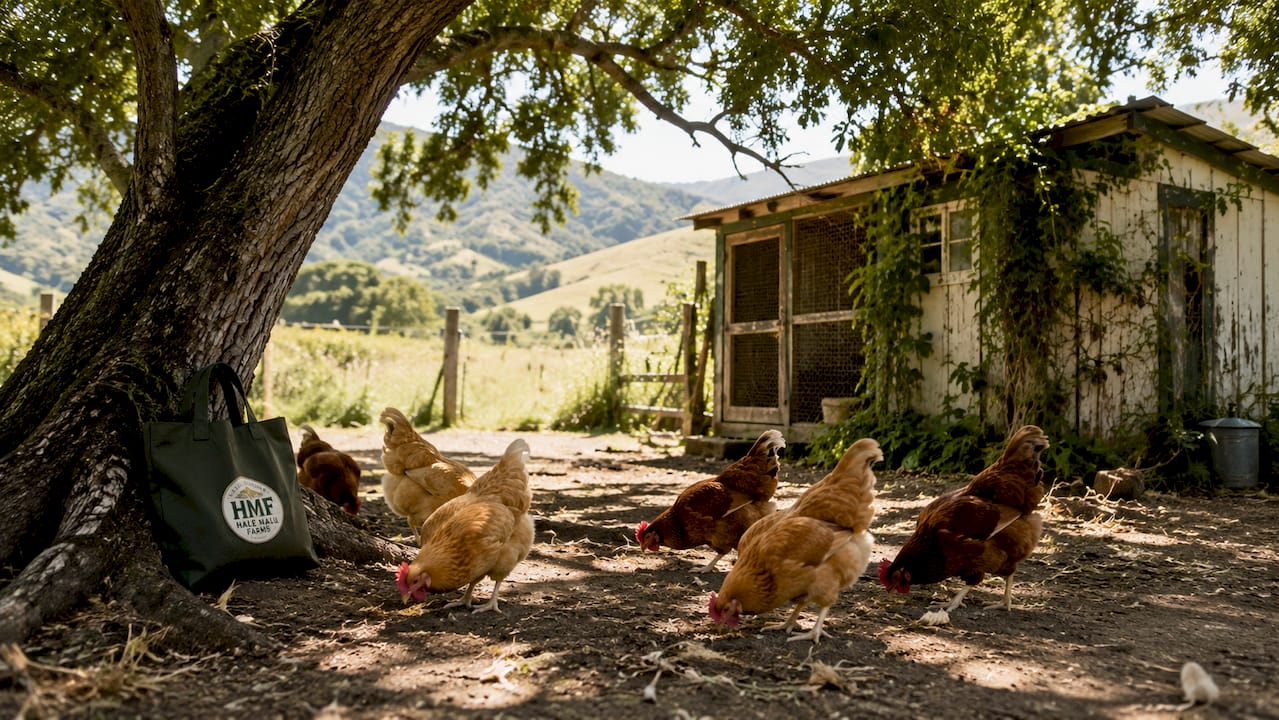
Heritage poultry is defined as birds from American Poultry Association Standard breeds that mate naturally, grow slowly (reaching market weight at 16 weeks or more), and live long productive lives outdoors. The Livestock Conservancy sets the benchmark: breeding hens remain productive for 5–7 years, and roosters for 3–5 years, with genetic lines traceable across multiple generations. When you start a heritage poultry breeding program, you are not just raising chickens. You are preserving genetics that commercial production has largely abandoned. This guide walks you through every practical step, from breed selection and flock setup to nutrition, biosecurity, and compliance.
What are the essential requirements to start a heritage poultry breeding program?
The first decision is breed selection. Choose breeds recognized by the American Poultry Association Standard, with documented lineage and a history of natural mating. Popular starting points include Barred Plymouth Rock, Rhode Island Red, Dominique, Buckeye, and Delaware. Each breed has different temperament, body size, and egg production traits. Match your breed choice to your climate, available space, and production goals before you buy a single bird.
Housing and fencing basics
Heritage breeds need more space than commercial hybrids because they are active foragers. Plan for at least 4 square feet of indoor space per bird and 10 square feet of outdoor run. Predator-proof fencing is non-negotiable. Hardware cloth (not chicken wire) buried 12 inches underground stops digging predators. A solid roof or overhead netting prevents aerial attacks. Good ventilation prevents respiratory disease, which is a common killer in closed coops. Check the beginner flock checklist from Halemalufarms for a full setup list.

Rooster-to-hen ratio and flock size
Getting your rooster-to-hen ratio right from the start protects both fertility and hen health. A standard heritage ratio is 1 rooster per 8–12 hens for most large breeds. Bantam breeds need a tighter ratio, closer to 1 rooster per 4–6 hens. Starting with one rooster and 10–12 hens is a manageable foundation flock for most families.

| Breed type | Recommended flock size | Rooster-to-hen ratio | Key equipment |
|---|---|---|---|
| Large heritage (e.g., Plymouth Rock) | 10–20 birds | 1:8–12 | Coop, hardware cloth run, nest boxes |
| Bantam heritage | 8–15 birds | 1:4–6 | Smaller coop, elevated roosts |
| Dual-purpose (e.g., Rhode Island Red) | 12–25 birds | 1:10 | Brooder, incubator, feeders |
Pro Tip: Source your foundation birds from NPIP-certified breeders whenever possible. Ask for pedigree records and hatch dates before you commit to a purchase. Starting with documented stock saves you years of guesswork.
How do you manage nutrition, breeding, and hatch success?
Breeder nutrition is the most overlooked factor in hatch success. A breeder ration should contain 16–18% protein and 5–8% calcium to sustain fertility and hatchability. Many first-time breeders focus entirely on incubator settings while feeding a standard layer ration. That approach produces declining hatch rates even with perfect incubation technique. Feed your breeders a dedicated breeder formula at least 4–6 weeks before you collect eggs for hatching.
Managing natural mating in heritage flocks
Heritage breeds mate naturally, which is one of their defining strengths. Your job is to manage the conditions so mating is effective without causing injury. Too many roosters create competition, stress, and feather damage on hens. Too few roosters reduce fertility across the flock. Watch your hens closely. Bare patches on the back or head signal over-mating. A drop in fertile eggs signals under-mating or a rooster health issue.
Common mistakes to avoid in breeding and incubation:
- Skipping breeder-specific feed. Standard layer feed does not meet the calcium and protein needs of actively breeding birds.
- Ignoring rooster condition. A rooster in poor health or poor body condition produces low-quality semen. Check his weight and feather condition regularly.
- Collecting eggs too early. Wait at least two weeks after introducing a new rooster before collecting hatching eggs. Fertility takes time to establish.
- Storing hatching eggs too long. Hatch rates drop sharply after 7 days of storage. Store eggs pointed end down at 55–65°F.
- Skipping candling. Candle eggs at day 7 to remove infertile or early-dead eggs before they contaminate the incubator.
Pro Tip: Crack open a sample of unhatched eggs after each hatch. Infertile eggs (clear inside) point to a rooster problem. Early dead embryos usually point to a nutrition or storage problem. Your eyes are your best diagnostic tool.
What biosecurity practices protect your heritage breeding flock?
Biosecurity is not a binder on a shelf. It is a set of daily habits that keep disease out of your flock. USDA APHIS recommends dedicated boots and footbaths, daily cleaning of waterers and feeders, strict visitor controls, and complete separation of your poultry from wild birds. Avian influenza (HPAI) spreads through contact with wild waterfowl droppings. A single gap in your routine can cost you the entire flock.
USDA APHIS critical biosecurity measures: Keep your distance. Keep it clean. Don’t haul disease home. Don’t borrow disease from your neighbor. Report sick birds immediately.
Small daily habits prevent the kind of catastrophic outbreaks that shut down breeding programs overnight. Build these into your morning and evening routines:
- Change into dedicated coop boots before entering any bird area.
- Scrub and refill waterers daily. Bacteria multiply fast in standing water.
- Limit visitors to your breeding pens. If someone visits, have them wear disposable boot covers.
- Keep wild bird feeders away from your poultry area. Wild birds carry disease without showing symptoms.
- Separate species. Ducks, chickens, and turkeys should not share the same water or feeding areas.
- Quarantine any new birds for at least 30 days before introducing them to your flock.
Pro Tip: Post a simple laminated checklist inside your coop door. When biosecurity steps are visible and automatic, you are far less likely to skip them on a busy morning.
How do you grow your program, keep records, and sell or trade birds?
Record keeping is the backbone of a serious heritage breeding program. Track pedigree, hatch dates, fertility rates, and individual bird performance from day one. Genetic integrity depends on knowing which birds produced which offspring and how those offspring performed. A simple spreadsheet works well at the start. As your program grows, dedicated poultry record-keeping software becomes worth the investment.
NPIP certification and interstate compliance
If you plan to sell breeding birds or hatching eggs across state lines, NPIP (National Poultry Improvement Plan) certification is required. The baseline status is Pullorum-Typhoid Clean. Buyers should verify your NPIP number, request health certificates, and confirm AI monitoring status. Starting compliance early prevents missed breeding windows and legal headaches later. Contact your state veterinarian’s office to begin the certification process. Halemalufarms maintains NPIP certification and can walk you through what the process looks like in practice. Visit the HMF NPIP page for details specific to Hawaiʻi.
| Document | When required | Who issues it |
|---|---|---|
| NPIP certificate | Interstate bird or egg shipment | State poultry program |
| Health certificate | Most interstate sales | Accredited veterinarian |
| AI monitoring record | Buyer request or state requirement | State lab or vet |
| Marek’s vaccination record | Buyer request, chick sales | Hatchery or breeder |
Pro Tip: File your NPIP application before your first breeding season, not after. Certification takes time, and you cannot legally ship birds without it. Getting ahead of paperwork means you never miss a sale.
Key takeaways
A successful heritage poultry breeding program requires the right breed, the right feed, consistent biosecurity habits, and early compliance planning before your first hatch.
| Point | Details |
|---|---|
| Choose APA Standard breeds | Select breeds with traceable lineage and natural mating ability to build a genuine heritage program. |
| Match rooster-to-hen ratio | Use 1 rooster per 8–12 hens for large breeds; adjust based on feather condition and fertility results. |
| Prioritize breeder nutrition | Feed a 16–18% protein, 5–8% calcium breeder ration at least 4–6 weeks before collecting hatching eggs. |
| Build daily biosecurity habits | Dedicated boots, daily cleaning, visitor controls, and species separation prevent disease outbreaks. |
| Get NPIP certified early | Certification is required for interstate sales and takes time; start the process before your first breeding season. |
What I have learned from years of heritage breeding
Starting a heritage poultry breeding program feels manageable on paper. In practice, the first year teaches you things no article can fully prepare you for. The biggest surprise for most new breeders is patience. Heritage breeds grow slowly by design. A minimum of 16 weeks to market weight feels long when you are used to commercial timelines. That slower pace is not a flaw. It is the whole point. These birds build real muscle, real flavor, and real genetic resilience over time.
The second thing I have seen trip up beginners is rooster management. People underestimate how much one aggressive or over-eager rooster can damage a flock’s productivity and hen wellbeing. Watching your birds daily is not optional. It is your primary management tool. Feather condition on your hens tells you more about rooster balance than any ratio chart ever will.
Nutrition is the third control point that gets ignored. I have watched breeders invest in top-quality incubators and then feed their breeders a basic layer pellet. Hatch rates suffer every time. The feed is where fertility starts, not the incubator. Get that right first.
The programs that last are the ones built around enjoyment, not just production targets. Heritage breeding is a long game. The genetic lines you protect today can feed your family and your community for decades. That is worth doing carefully and doing well. If you are curious how this extends beyond chickens, the duck breeding programs at Halemalufarms show how the same principles apply across species.
— kai
Halemalufarms: your local source for heritage breeds and supplies
Halemalufarms has been raising and distributing heritage poultry on Hawaiʻi Island since 2011. We carry NPIP-certified heritage chicken breeds selected for natural mating ability, long productive lifespans, and strong genetics suited to island conditions.

Whether you are building your first foundation flock or expanding an existing program, we stock the birds, feed, and supplies you need. Browse our heritage breed selection to find breeds matched to your goals, or shop our breeder feed and supplies to get your nutrition program right from the start. We are here to help you build something that lasts.
FAQ
What is heritage poultry?
Heritage poultry refers to birds from APA Standard breeds established before the mid-20th century that mate naturally, grow slowly, and live long productive lives outdoors. The Livestock Conservancy defines breeding hens as productive for 5–7 years and roosters for 3–5 years.
How many hens do I need per rooster?
The standard ratio for large heritage breeds is 1 rooster per 8–12 hens. Bantam breeds require a tighter ratio of 1 rooster per 4–6 hens to balance fertility and prevent injury.
What feed should I use for breeding heritage chickens?
Use a dedicated breeder ration with 16–18% protein and 5–8% calcium. Standard layer feed does not meet the nutritional demands of actively breeding birds and will reduce hatch rates over time.
Do I need NPIP certification to sell heritage birds?
Yes, NPIP certification is required for interstate shipment of breeding birds or hatching eggs. The baseline status is Pullorum-Typhoid Clean, and buyers should request your NPIP number and a health certificate before purchase.
How long does it take heritage chickens to reach market weight?
Heritage chickens take a minimum of 16 weeks to reach market weight, compared to 6–8 weeks for commercial broilers. That slower growth produces better muscle development, flavor, and long-term genetic viability.
Recommended
- Why Heritage Breeds Matter for Sustainable Farming
- The Role of Duck Breeding Programs in Sustainable Farming – Your Local source for all things poultry
- Start your own poultry hatchery in Hawaiʻi today – Your Local source for all things poultry
Discover more from Your Local source for all things poultry
Subscribe to get the latest posts sent to your email.